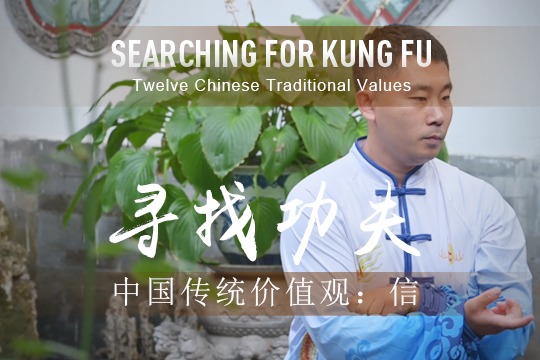
12 Traditional Chinese Values: Trustworthiness
Introduction
Trustworthiness, known as xin in Chinese, is one of the 12 Traditional Chinese Values. It embodies the essential qualities of reliability, responsibility, and complete trust. Trustworthiness is deeply ingrained in Chinese culture, where being trustworthy is considered a fundamental virtue. This value encourages individuals to act with integrity, honor commitments, and maintain a consistent character, thereby fostering strong relationships and harmonious social interactions. In traditional Chinese thought, trustworthiness is not merely a personal trait but a societal cornerstone that enhances mutual respect and community cohesion.
Historical Context
The concept of xin, or trustworthiness, can be traced back to ancient Chinese philosophy and literature, where it was regarded as a crucial element of personal and social ethics. The emphasis on trustworthiness can be seen in historical texts and teachings, which often highlighted the importance of keeping one's word and being reliable in dealings with others. Historically, trustworthiness was considered vital for maintaining societal order and ensuring the smooth functioning of various relationships, from personal to political. As Chinese civilization evolved, the value of xin continued to be upheld across different dynasties, becoming a timeless principle that transcends generations.
Cultural Significance
In Chinese culture, trustworthiness holds significant cultural importance as it reflects a person's moral and ethical stature. This value is celebrated across various cultural expressions, including proverbs, folklore, and traditional stories, which often extoll the virtues of honest and reliable individuals. Trustworthiness is seen as a measure of one's character and is often used as a criterion in social evaluations, influencing how individuals are perceived and treated within the community. It is also considered a key factor in establishing and maintaining harmonious social relationships, as it fosters trust and cooperation among people.
Philosophical Foundations
In Confucianism, trustworthiness is considered one of the central virtues necessary for moral living. Confucius, the revered Chinese philosopher, emphasized the importance of trustworthiness in both personal conduct and governance. According to Confucian thought, a trustworthy person acts with sincerity and integrity, fulfilling promises and commitments. Trustworthiness is seen as essential for cultivating other virtues, such as benevolence (ren) and righteousness (yi), and is regarded as a foundation for building a virtuous society. Confucian teachings advocate for consistency in word and action, urging individuals to align their intentions with their behaviors to gain the trust of others.
Xin in Chinese Literature
Chinese literature is rich with themes of trustworthiness, illustrating its enduring significance in cultural narratives. Classic works often depict characters who embody xin, highlighting their virtues and the positive outcomes of their trustworthiness. These literary examples serve as moral lessons, reinforcing the importance of being reliable and honest. Trustworthiness is frequently portrayed as a key factor in achieving personal success, overcoming adversities, and maintaining harmonious relationships. Through literature, the value of xin is perpetuated across generations, continuing to inspire readers to uphold this enduring virtue in their own lives.








